Achieve outstanding colour for your packaging
29th January 2026
Read MoreWith your artwork approved, it’s time to move into production, and see how packaging is produced. Let’s walk through how FACER turns your design into finished packaging. You have likely gone through an NPD process for the structural design of your packaging and signed off a CAD prototype. Once you’ve put your graphics through that, Studio Manager, Justin, will send you a PDF proof of your artwork for authorisation. Including: structure, print (including special colours), coatings and decorative finishes. Once you have signed this off bringing your packaging to life begins.
Your chosen material will arrive in sheet form, ready for the first step. In order to print your chosen packaging design, the printing plates need to be originated. The plates we use for the lithographic printing process are the Kodak Sonora Process Free plates. These sustainable plates, save time, money and water (and you will never see plate origination costs from FACER.).
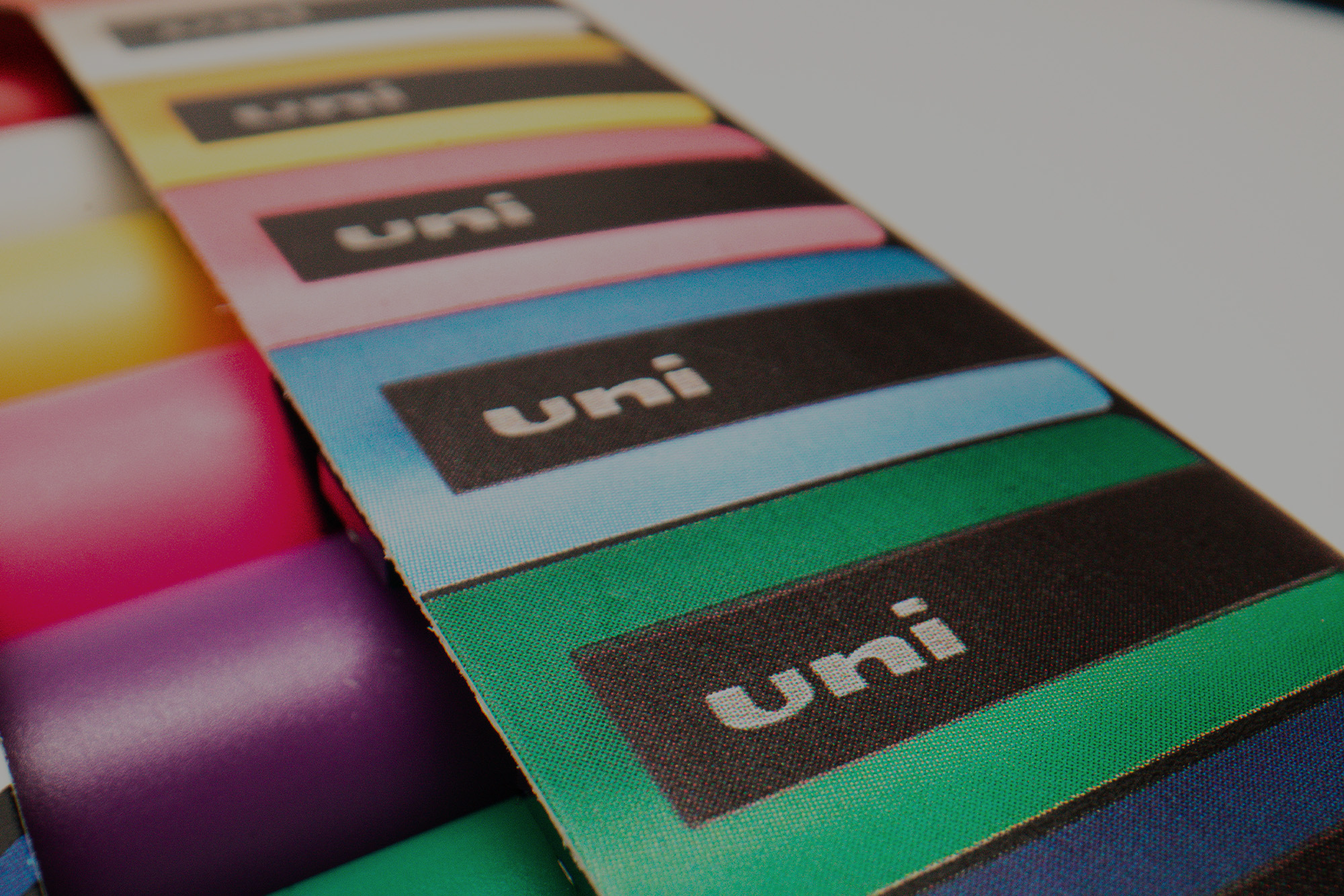
Alan and James will then prepare our Komori lithographic printing presses, typically with at least four inks. The lithographic CMYK printing process consists of the four colours: cyan, magenta, yellow and key (black). Each unit of the press is prepared with vegetable oil based inks. You can also include further colours, by using specially formulated inks to create particular Pantone colours or entirely bespoke mixes unique to your brand. The perfect way to truly translate your brand to colour. Now is time for your chosen material to travel through each unit, the plates and rollers transferring each colour, building your design until it looks like the artwork you signed off with Justin.
The next step is all about decorating and transforming. If you have chosen to enhance your design with one or more of the many print finishing techniques available from FACER.:
This is when it will be applied, directly onto the printed sheets. If you want to learn more about print finishing, we explain it in detail in our blog post: What is print finishing? The flat sheets are now ready for transformation.
Using a flatbed BOBST and a tool called a cutting forme, this is where the structure of your packaging comes into existence. Each sheet is precisely cut and creased to ensure the printed design will form once assembled as it should. This includes specialist cuts such as perforations and scores. To eradicate waste, we print as efficiently as possible, to get the most out of every single sheet of material. We remove all excess, and the flat cut-out pieces are ready for the next step.
The step where the 3D magic happens (one of the best machines to watch in action!). On the BOBST folding and gluing machine we fold and glue the flat, printed and cut die-cut blanks to create the finished folding carton packaging. We always deliver the packaging as a glued, flat structure, which passes under a compression belt to ensure the glue bonds securely. This process combines speed and precision, completing up to 14 units of packaging every second.
This is the final manufacturing step in the FACER. Packaging process. We put it through quality control before sending it to our clients for packing. We can even handle contract packing, placing your products directly into your packaging.
Every single step happens at FACER. HQ in Leeds, Yorkshire. Do you want British manufactured packaging for your brand?